What We Can Help With
-
![]()
Chronic pain
Living with chronic pain—whether it’s from back problems, arthritis, headaches, or other long-term conditions—can be exhausting. Many people are now exploring acupuncture as a safe, drug-free way to manage their symptoms. But what does the science say?
Backed by Large-Scale Research
A major analysis of clinical trials involving almost 18,000 patients found that acupuncture was more effective than both no treatment and standard medical care for conditions such as back and neck pain, osteoarthritis, and headaches. The benefits, while sometimes modest, were consistent across multiple studies.
Evidence from Key Clinical Trials
German Acupuncture Trials (GERAC), some of the largest studies ever conducted on acupuncture, showed that both real and “sham” acupuncture (where needles are placed in non-traditional points) outperformed standard care for back pain and knee osteoarthritis.
Other trials have found that adding acupuncture to exercise therapy improves pain relief and mobility for people with chronic low back pain.
For chronic pelvic pain, studies show that acupuncture—either alone or alongside conventional treatment—can significantly reduce discomfort.
Why the Results Matter
While researchers debate how much of acupuncture’s benefit is due to the specific needle placement versus the overall therapeutic experience, the consistent improvements seen across many trials suggest that acupuncture offers real value—especially as part of a broader pain management plan.
Safe and Well-Tolerated
When performed by a qualified practitioner, acupuncture is generally very safe, with serious side effects being extremely rare. For many people, it offers a gentle, natural option that works alongside other treatments rather than replacing them.
The Bottom Line
Scientific evidence supports acupuncture as a helpful therapy for many types of chronic pain. While it’s not a “cure-all,” it can provide meaningful relief, improve quality of life, and reduce reliance on medication.
If you’ve been living with persistent pain, acupuncture may be worth exploring—especially if you prefer a natural, holistic approach to your health.
-
![]()
Fibromyalgia
Fibromyalgia is a complex condition that can cause widespread pain, fatigue, sleep disturbances, and emotional stress. Finding effective, sustainable relief is often a challenge. Many people are now turning to acupuncture as a natural, holistic option to help manage their symptoms.
How Acupuncture May Help
Acupuncture works by gently stimulating specific points on the body, helping to rebalance energy flow, release tension, and trigger the body’s natural healing responses. For people with fibromyalgia, this may mean:
Reduced pain and tenderness
Improved sleep quality
Less fatigue and brain fog
Better mood and emotional balance
What the Evidence Suggests
Clinical studies have shown that acupuncture can be a safe and effective complement to conventional care for fibromyalgia. Many patients report noticeable improvements in pain levels, energy, and overall quality of life—sometimes after just a few sessions. While results vary from person to person, benefits are often most pronounced when acupuncture is combined with other healthy lifestyle changes.
A Safe, Natural Choice
When performed by a trained professional, acupuncture is a gentle therapy with minimal side effects. It can be used alongside other treatments, such as medication, physiotherapy, or mindfulness practices, without interference.
Your Path Forward
Fibromyalgia can feel overwhelming, but you don’t have to face it alone. Acupuncture offers a calming, supportive space for your body and mind to reset - helping you take steps toward more comfort, better sleep, and renewed energy.
-
![]()
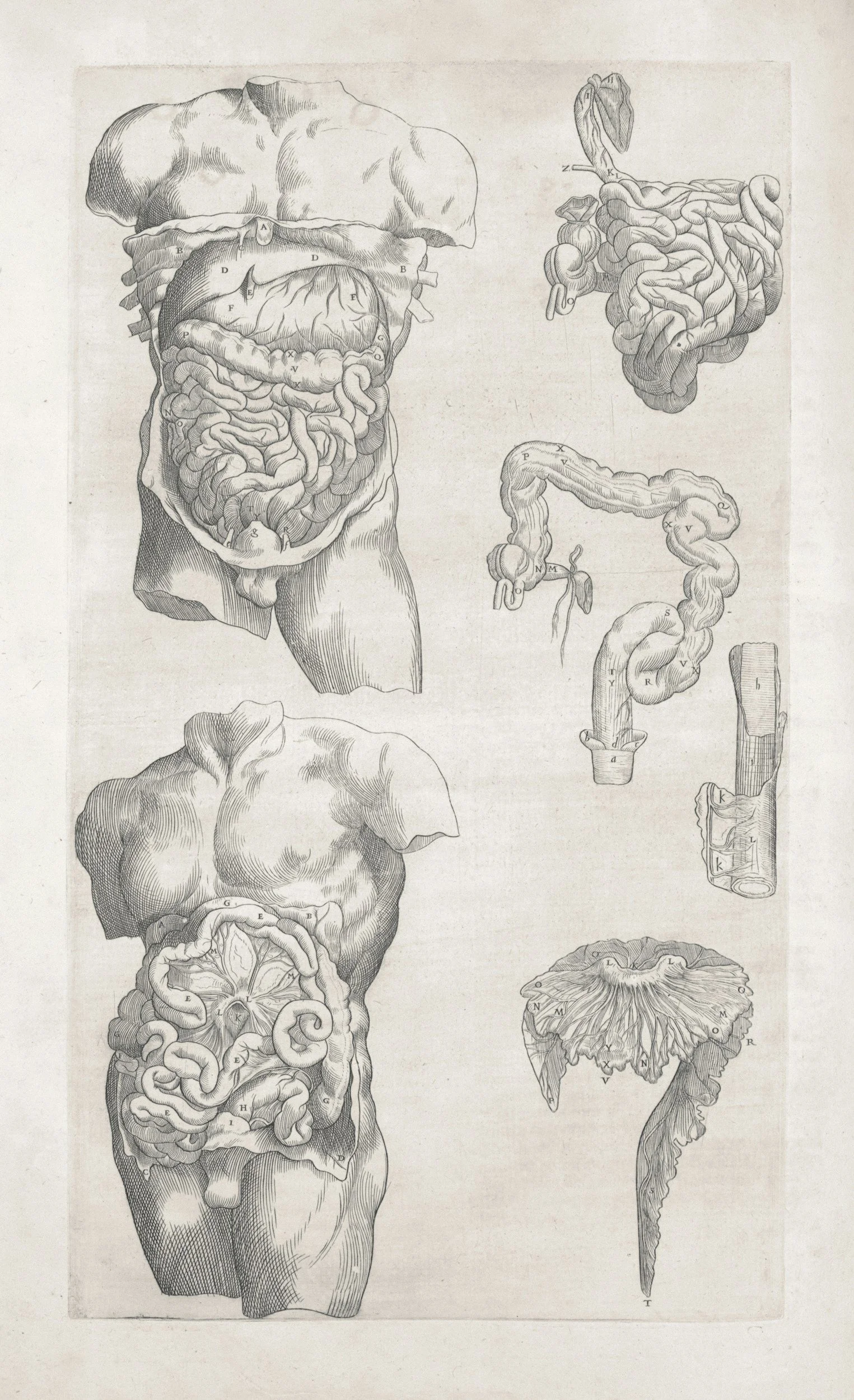
Digestive issues
Acupuncture for Digestive Health
From bloating and discomfort to IBS and IBD, digestive problems can affect every part of life. Acupuncture offers a gentle, natural way to help your system find balance again.
Clinical studies show promising results:
A UK trial found that patients with IBS who added acupuncture to their usual care had less pain and better bowel habits for months afterwards (https://pubmed.ncbi.nlm.nih.gov/23095376/)
Another study reported that acupuncture improved stool consistency and eased abdominal pain in people with diarrhea-predominant IBS (https://pubmed.ncbi.nlm.nih.gov/40441496/).
Some benefits lasted well beyond the treatment period - especially when acupuncture was tailored to the individual. Best of all, it’s safe, drug-free, and works well alongside other care.
If your digestion feels out of balance, acupuncture could be the reset your body needs.
-
![]()
Mental health
Acupuncture is increasingly used alongside conventional care to support mental wellbeing. While it isn’t a replacement for therapy or medication, a growing body of randomised trials and systematic reviews suggests acupuncture can help reduce symptoms of common mental-health conditions—particularly depression, anxiety, PTSD and insomnia—when delivered by a qualified practitioner.
Depression
One of the largest pragmatic randomised controlled trials in UK primary care found that a short course of acupuncture led to greater improvements in depression scores over usual GP care, with benefits maintained over several months. (Acupuncture and counselling for depression in primary care: a randomised controlled trial - PubMed)
Evidence summaries and meta-analyses indicate acupuncture (alone or as an adjunct to antidepresnts) can produce modest-to-moderate symptom reductions, though study quality varies and results are not uniform. (Frontiers | Efficacy of acupuncture for depression: a systematic review and meta-analysis)For generalized anxiety disorder (GAD), recent randomized and sham-controlled trials report reductions in anxiety severity with acupuncture, including in specific groups such as perimenopausal patients. Pooled analyses also suggest benefit but emphasize the need for larger, higher-quality studies. FrontiersPMC
Post-traumatic Stress Disorder (PTSD)
A 2024 randomized clinical trial in combat veterans found verum acupuncture produced a larger decrease in PTSD symptom severity than sham acupuncture, supporting acupuncture as a useful adjunct within comprehensive PTSD care. JAMA NetworkPubMed
Insomnia (often intertwined with mood and anxiety)
Sleep and mood are tightly linked. Contemporary systematic reviews of randomized trials report that acupuncture can improve insomnia outcomes (e.g., Pittsburgh Sleep Quality Index), including when combined with other therapies. FrontiersPMC
How it may help
Trials and reviews propose that acupuncture may modulate stress-response and sleep-wake pathways (e.g., autonomic balance, HPA-axis, and neurotransmitters), which aligns with observed improvements in anxiety, mood, and sleep—though mechanisms are still being clarified. Frontiers
-
![]()
Fertility
Acupuncture is a gentle and natural way to support your fertility journey. Research has shown that it can help improve blood flow to the uterus and ovaries, balance hormones, and reduce stress — all of which can enhance your body’s natural ability to conceive.
Clinical studies have also found that acupuncture, when used alongside fertility treatments such as IVF, may increase the chances of pregnancy and live birth. Many people find it a calming and empowering part of their treatment plan, helping them feel more balanced and supported throughout the process.
Whether you’re trying to conceive naturally or with medical assistance, acupuncture offers a safe, holistic approach to nurturing your reproductive health and overall wellbeing.
-
![Musculoskeletal]()
Musculoskeletal
Acupuncture offers a natural, effective approach to relieving pain and improving mobility in musculoskeletal conditions such as back pain, neck tension, arthritis, and joint or muscle injuries. By stimulating specific points on the body, acupuncture promotes blood flow, reduces inflammation, and encourages the body’s own healing response. Many patients experience decreased pain, greater flexibility, and enhanced overall well-being - without the side effects of medication. Whether you’re recovering from an injury or managing chronic discomfort, acupuncture can help restore balance and support long-term musculoskeletal health.
A systematic review and meta-analysis of 63 randomized, sham-controlled trials (6,382 participants) found that acupuncture delivered clinically meaningful reductions in musculoskeletal pain and disability compared to sham procedures, especially for chronic neck, shoulder and low back pain, as well as osteoarthritis.
-
![]()
Cancer Support
Going through cancer treatment can be a deeply challenging experience—physically, emotionally, and mentally. Many people find that acupuncture offers gentle, natural support to help ease some of the side effects of treatment and improve overall well-being.
Acupuncture works by encouraging the body’s own healing processes, helping to restore balance and promote relaxation. Research has shown it can be effective in reducing common symptoms such as nausea, fatigue, pain, hot flushes, anxiety, and sleep disturbances that may occur during or after chemotherapy and radiation.
Treatments are always tailored to each person’s individual needs, providing a calm, nurturing space to rest and recover. For many, acupuncture becomes a valuable part of their care—offering relief, comfort, and a greater sense of control throughout the cancer journey.
If you or someone you love is undergoing cancer treatment, acupuncture can be a safe, supportive therapy to help you feel more at ease, restore energy, and enhance quality of life alongside your medical care.
-
![]()
Menstrual Cycle
Many women experience menstrual cycle challenges, whether it’s painful periods, irregular cycles, PMS, or mood changes. While these symptoms are common, they don’t have to be something you simply ‘put up with.’ Acupuncture offers a gentle, natural way to bring your body back into balance and ease menstrual discomfort.
According to Chinese medicine, the body’s flow can become blocked or unbalanced - due to stress, diet, emotions, or lifestyle. This can lead to disruption to natural bodily cycles, which in the case of menstrual cycles can lead to pain, irregular bleeding, or hormonal fluctuations.
Acupuncture works to restore harmony by stimulating specific points on the body, which can help regulate hormones, improve circulation to the uterus, and calm the nervous system. Over time, this supports the body’s tendency toward regular, more comfortable cycles.
Clinical Evidence: What the Research Shows
There is growing scientific interest in acupuncture for menstrual health. For example, a randomised controlled trial conducted in China—The Acupuncture Analgesia Effect in Primary Dysmenorrhoea-II—investigated the pain-relieving effects of acupuncture in women with primary dysmenorrhea. OUP Academic The study found that acupuncture significantly reduced menstrual pain compared to control groups, lending support to its use as an adjunct treatment for menstrual discomfort.Common Menstrual Issues Acupuncture Can Help With:
Painful periods (dysmenorrhea)
Irregular or absent periods
PMS symptoms such as mood swings, bloating, or breast tenderness
Heavy or light bleeding
Menstrual-related headaches or fatigue
What to Expect
Many women notice positive changes after a few sessions—such as reduced pain, more regular cycles, and improved mood and energy levels. Because acupuncture works with the body’s natural processes, it tends to have fewer side effects than pharmaceuticals when performed by a qualified practitioner.If you’re looking for a holistic, drug-free way to support your menstrual health, acupuncture may be an ideal option.
-
![]()
Menopause
Menopause is a natural stage of life, but the physical and emotional changes it brings can sometimes be challenging. Hot flushes, night sweats, mood swings, fatigue, and disrupted sleep are common symptoms that can affect wellbeing and quality of life. Acupuncture offers a natural, gentle way to restore balance and support women through this transition.
Modern research suggests that acupuncture may influence the body’s hormonal and nervous systems, helping to reduce vasomotor symptoms (like hot flushes) and improve sleep quality and mood.
Scientific studies have found encouraging results. A 2019 randomised controlled trial published in BMJ Open showed that women who received weekly acupuncture for five weeks experienced significant reductions in hot flush frequency and intensity compared to a control group, with benefits lasting up to 12 weeks after treatment. (BMJ Open, 2019;9:e023637)
Benefits of Acupuncture for Menopausal Women:
Reduces hot flushes and night sweats
Improves sleep and relaxation
Supports mood balance and emotional wellbeing
Eases fatigue and improves energy
Promotes overall sense of calm and stability
A Gentle, Natural Approach
Each acupuncture treatment is tailored to the individual - addressing not only physical symptoms but also emotional and lifestyle factors. Many women find sessions relaxing and restorative, with benefits that extend beyond menopause itself.If you’re looking for a natural way to navigate menopause and feel more balanced, acupuncture offers a safe and effective option to support you through this important life stage.